


- Description
- Reviews (0)
Description
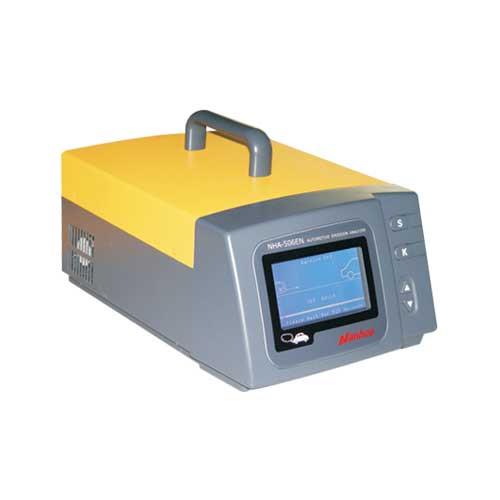
Nanhua Five-Gas Fuel Analyzer: An Essential Tool for Professional Mechanics
Automotive workshops and industries constantly face the challenge of accurately diagnosing engine emissions and performance. The Nanhua Five-Gas Fuel Analyzer, model NHA506EN, is a professional tool for simultaneously measuring CO, CO₂, O₂, HC, and NOx. With this device, you can record precise data, analyze it, and quickly identify combustion issues or pollutant emissions. This guide explains how to use this advanced tool, print or transfer data to a computer, and enhance your skills in servicing both light and heavy engines.
What is a Five-Gas Fuel Analyzer and Why is it Important?
A five-gas fuel analyzer measures the concentration of five key gases, with primary applications including:
- Detecting incomplete engine combustion
- Controlling pollutant emissions
- Improving fuel efficiency and engine performance
- Preventing industrial accidents
The Five Key Gases and How They Are Measured:
| Gas | Risks | Safe Range | Application |
|---|---|---|---|
| CO | Toxicity, reduced efficiency | 0–50 ppm | Detect incomplete combustion |
| CO₂ | Temperature rise, lower efficiency | 0–5000 ppm | Monitor engine combustion |
| O₂ | Explosion risk, lower efficiency | 0–21% | Ensure complete fuel combustion |
| HC | Pollution, incomplete combustion | 0–100 ppm | Detect incomplete combustion |
| NOx | Corrosion, pollution | 0–250 ppm | Monitor harmful gas emissions |
Features and Capabilities of the NHA506EN:
LCD Display and Data Transfer
The device features a 5-inch LCD that shows live measurement values. Data can be printed or transferred to a connected computer.
Practical Tips:
- Check cable or wireless connection before transferring data.
- Test internal or external printer for accurate printing.
Separate Inputs and Calibration
The device has two separate inputs for:
- Exhaust gases and clean air
- Reference gas for calibration
Two-Stage Filtering System
The filter consists of two parts:
- Mechanical: separates large particles and dust
- Liquid-absorbing: removes moisture and liquid particles
Practical Tips:
- Clean and replace filters periodically.
- Ensure the liquid-absorbing section is not blocked or dried out to maintain accuracy.
Key Usage Guidelines for the Fuel Analyzer:
Installation and Setup
- Place the device on a flat surface.
- Install sensors according to the instructions.
- Use a reliable power supply or fully charged battery.
Safety and Maintenance
- Wear gloves and safety goggles.
- Calibrate sensors every six months.
- Avoid placing the device in humid environments.
Common Issues and Solutions:
| Issue | Cause | Solution |
|---|---|---|
| CO error displayed | Faulty or dirty sensor | Clean or replace sensor |
| Incorrect O₂ reading | Poor ventilation | Ensure proper airflow |
| HC data fluctuation | Incomplete combustion | Check spark plugs and fuel system |
Conclusion and Practical Recommendations
The Nanhua NHA506EN Five-Gas Fuel Analyzer is an essential tool for every professional mechanic. Proper use, periodic maintenance, and accurate data recording allow you to:
- Prevent hazards and damage caused by emissions
- Optimize engine performance
- Ensure satisfied and professional customers
Check your device today, calibrate the sensors and filters, and elevate your skills and professionalism with accurate data tracking.
Reviews
There are no reviews yet.