
- Description
- Reviews (0)
Description
Motor Scan 90-Liter Pneumatic Oil Extractor: Efficient Engine Oil Extraction for Automotive Workshops
In automotive workshops, time management and maintaining a clean working environment are essential. One of the most frequently performed vehicle maintenance tasks is engine oil extraction. Without the right equipment, this process can lead to wasted time, workshop contamination, and unwanted contact between technicians and used engine oil.
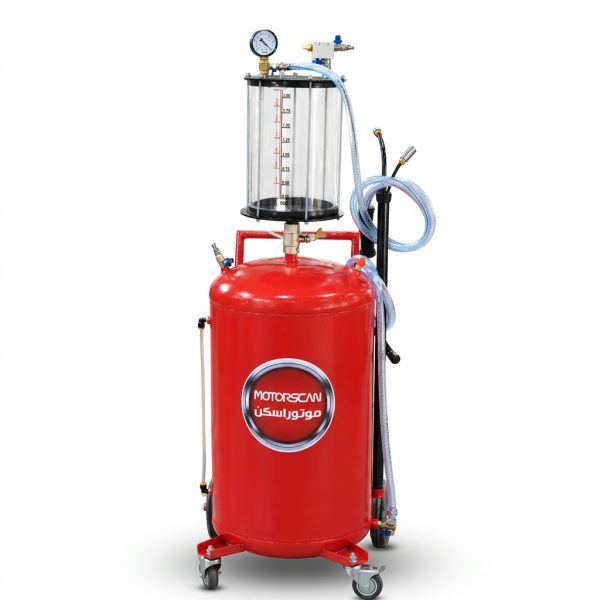
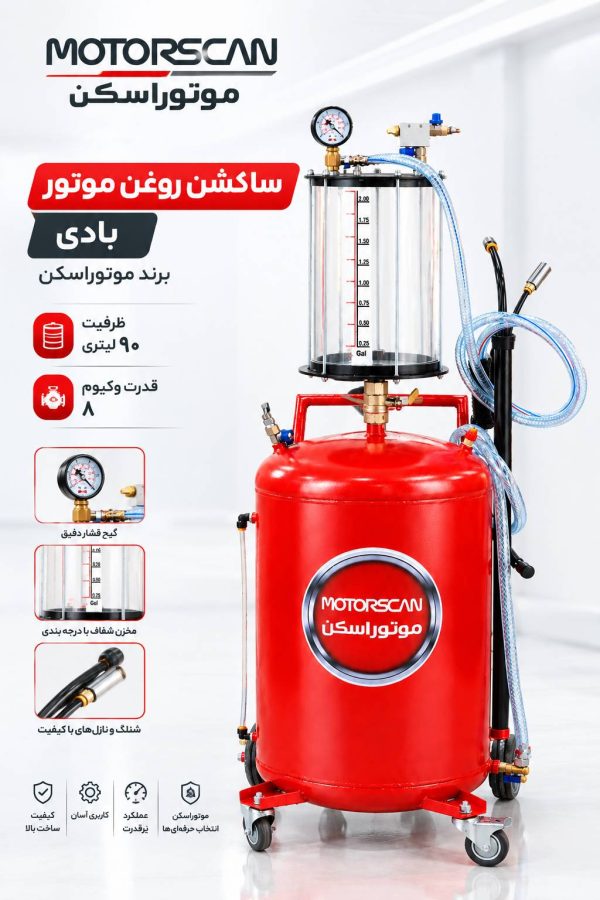
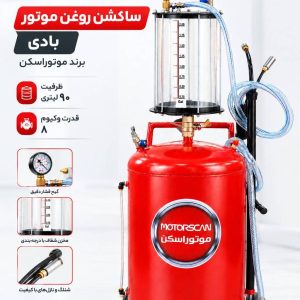
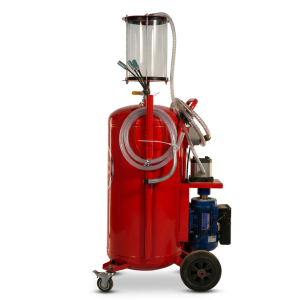
The Motor Scan 90-Liter Pneumatic Oil Extractor is designed to simplify the oil extraction process and improve workshop organization. Featuring a pneumatic suction system, a 90-liter tank, a vacuum rating of 8, and a heavy-duty pressure gauge, this machine offers a practical solution for oil change centers and automotive workshops that perform vehicle maintenance services on a daily basis.
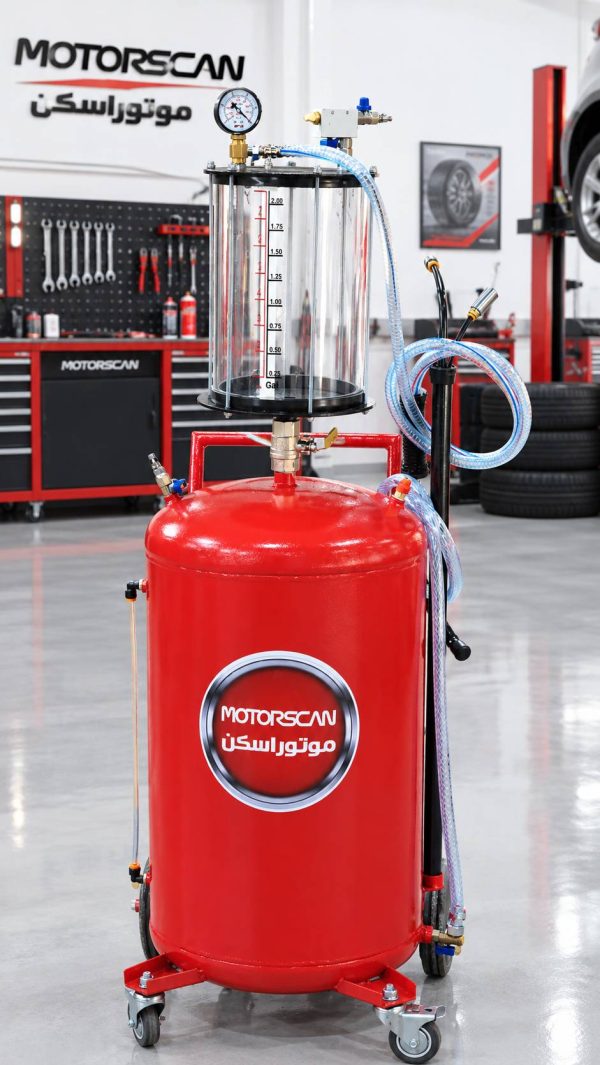
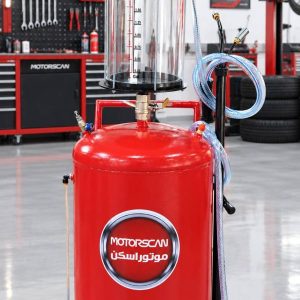
The transparent, graduated tank also allows technicians to monitor the amount of collected oil, providing better control over the extraction process.
What Is a 90-Liter Pneumatic Oil Extractor and What Is It Used For?
A pneumatic oil extractor is a device that uses compressed air to create a vacuum, drawing oil through a suction hose and tube into a collection tank. This method is widely used in oil change centers to collect engine oil and reduce the need for conventional manual draining.
With its large tank capacity, the Motor Scan 90-liter oil extractor is suitable for workshops that require practical equipment for handling multiple consecutive service jobs. Its 90-liter tank can collect a substantial volume of used oil, potentially reducing how frequently the tank needs to be emptied, depending on the volume of work performed.
This machine is particularly worth considering for oil change centers, mechanical repair shops, and automotive service facilities where workflow efficiency and workplace organization are priorities.
Specifications and Features of the Motor Scan Pneumatic Oil Extractor
When purchasing oil change equipment, reviewing the technical specifications and understanding the purpose of each feature can help you make a more informed decision.
The key features of this model include:
- 90-liter tank capacity: Suitable for collecting used engine oil during routine workshop operations.
- Vacuum rating of 8: A key specification of the machine’s suction system.
- Heavy-duty pressure gauge: Allows users to monitor and check pressure conditions during operation.
- Transparent, graduated tank: Makes it easier to observe and estimate the volume of collected oil.
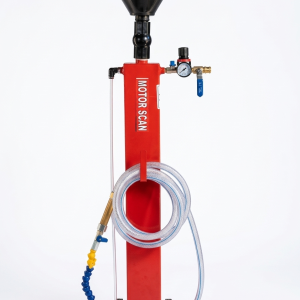
- Dedicated hoses and extraction nozzles: Help direct oil from the extraction point into the collection tank.
- Pneumatic operating system: Uses compressed air to generate suction and collect engine oil.
Together, these features make the machine a practical addition to automotive workshops looking to improve their oil change procedures.
Benefits of a 90-Liter Pneumatic Oil Extractor for Automotive Workshops
1. Suitable Capacity for Repeated Service Jobs
The 90-liter tank capacity is one of the machine’s key features. In workshops that service several vehicles a day, tank capacity is particularly important. Collected oil must be stored in a suitable container until it can be transferred to an authorized waste oil collection or disposal facility.
Choosing a machine with a tank capacity that matches your workshop’s workload can help improve the management of used engine oil collection.
2. Monitor Oil Levels Through the Transparent, Graduated Tank
One of the practical features of this model is its transparent, graduated tank. Technicians can check the amount of collected oil without opening the tank.
This feature is useful for estimating the volume of extracted oil, monitoring the tank’s condition, and planning when to empty it. The graduations also make it possible to compare approximate oil collection volumes across different service jobs.
3. Better Operational Monitoring with a Heavy-Duty Pressure Gauge
For pneumatic equipment, monitoring pressure is important for proper operation. The heavy-duty pressure gauge allows technicians to observe pressure conditions and maintain better control during use.
However, the operating pressure must be set according to the manufacturer’s instructions and technical specifications, as the proper functioning of pneumatic equipment depends on an adequate compressed air supply.
4. Reduced Oil Spillage in the Work Area
Collecting used engine oil without suitable equipment can contaminate workshop floors, tools, and the areas surrounding vehicles. A pneumatic oil extractor helps direct oil through a hose into the collection tank, reducing the likelihood of spills during the collection process.
Maintaining a clean workspace not only improves workshop organization but also helps reduce the risk of slipping on spilled oil.
5. Reduced Direct Contact with Used Engine Oil
Used engine oil may contain contaminants and substances produced during engine operation. Using appropriate oil collection equipment helps reduce direct contact between technicians’ hands, clothing, and used oil.
Nevertheless, wearing suitable protective gloves and following safety procedures during servicing and oil extraction remain essential.
How Does a Pneumatic Oil Extractor Work?
This machine operates by creating a vacuum that draws oil through a hose into the collection tank. For proper operation, all steps must be performed in accordance with the manufacturer’s instructions.
Step-by-Step Operating Instructions
- Place the machine on a stable, suitable surface and inspect the hoses, nozzles, and connections.
- Make sure the engine is in the appropriate condition for oil extraction. Oil temperature and the extraction method must comply with the vehicle manufacturer’s recommendations.
- Insert the appropriate extraction nozzle or suction tube into the designated access point.
- Activate the machine’s pneumatic system according to the operating instructions to establish suction.
- Allow the oil to flow through the hose into the collection tank while monitoring the process.
- Once extraction is complete, shut down the machine according to the manufacturer’s instructions and safely disconnect the connections.
- Check the amount of collected oil. When the tank reaches its permitted capacity, transfer the used oil to an appropriate collection or disposal facility in compliance with applicable waste management regulations.
Important note: Before using the machine, confirm that vacuum extraction is compatible with the vehicle’s engine. The appropriate oil removal method may vary depending on the engine design.
What Should You Consider When Buying a 90-Liter Oil Extractor?
Tank capacity should not be the only factor when selecting an oil extractor. It is best to evaluate several important factors together.
Vacuum Performance and Compressed Air Requirements
The machine’s vacuum performance plays an important role in its suction capability. For this model, a vacuum rating of 8 is listed as a product specification. To accurately assess its performance and compare it with other machines, check the unit of measurement and operating pressure range provided by the manufacturer.
The air compressor used with the machine must also be capable of supplying the required compressed air.
Tank Capacity and Customer Volume
If your workshop services a large number of vehicles, tank capacity can make a difference in daily workflow management. This model’s 90-liter tank is designed to collect a substantial volume of used oil. However, the appropriate time to empty the tank should be determined by the amount of oil collected and the equipment’s specified capacity limits.
Hose, Nozzle, and Connection Quality
Suitable hoses and nozzles play an important role in ease of use and oil transfer. Before purchasing, inspect the connections, overall build quality, and compatibility of the supplied accessories with your intended applications.
Ease of Monitoring and Maintenance
The transparent, graduated tank and heavy-duty pressure gauge make it easier to monitor the machine’s operating condition. Periodically inspecting the connections, hoses, and tank also helps maintain reliable performance.
90-Liter Pneumatic Oil Extractor vs. Conventional Oil Draining Methods
With conventional oil draining, engine oil is usually released through the oil pan drain plug and collected in a suitable container. This method is widely used across many vehicles, but it may require additional workspace preparation and careful handling to prevent spills.
In contrast, a pneumatic oil extractor uses suction to transfer oil through a suitable access point into a collection tank. For compatible vehicles, this method can simplify oil collection and help maintain a cleaner, more organized workshop.
However, suction extraction is not a universal replacement for every oil draining method. The appropriate procedure must be selected according to the engine design and the vehicle manufacturer’s recommendations.
Buy the Motor Scan 90-Liter Pneumatic Oil Extractor
If you are looking for workshop equipment with a generous tank capacity, a pneumatic suction system, and practical features for collecting used engine oil, the Motor Scan 90-Liter Pneumatic Oil Extractor is an option worth considering.
Its 90-liter tank, vacuum rating of 8, heavy-duty pressure gauge, transparent graduated tank, and dedicated hoses and nozzles make it a practical choice for oil change centers and mechanical repair workshops.
Before purchasing, review the technical specifications, compressed air requirements, and included accessories to ensure the machine meets your operational needs.
To explore other related products, visit the Motor Scan Engine Service and Tire Repair Equipment section and select the equipment best suited to your workshop’s requirements.
Frequently Asked Questions About the 90-Liter Pneumatic Oil Extractor
What is a 90-liter pneumatic oil extractor used for?
This machine is used to extract and collect engine oil in automotive workshops and oil change centers. Its pneumatic system draws oil through a hose into the collection tank.
What is the tank capacity of the Motor Scan oil extractor?
This model has a 90-liter tank, making it suitable for collecting used engine oil during routine workshop operations.
What is the vacuum rating of the Motor Scan oil extractor?
The listed vacuum rating for this model is 8. To interpret this value accurately and compare it with other machines, the unit of measurement and the manufacturer’s technical specifications should be checked.
What are the benefits of a transparent tank?
The transparent, graduated tank allows technicians to observe the amount of collected oil and estimate its volume without opening the tank.
Is a pneumatic oil extractor suitable for all vehicles?
No. Compatibility depends on the engine design and the vehicle manufacturer’s instructions. Before use, confirm that vacuum extraction is an appropriate method for the specific vehicle.
How should a pneumatic oil extractor be maintained?
Important maintenance practices include periodically inspecting hoses and connections, keeping the machine clean, observing the permitted tank capacity, and ensuring that used oil is collected and transferred for proper disposal in accordance with applicable regulations



Reviews
There are no reviews yet.